Evaluating Dual-Fuel Heating Systems for Unpredictable Southeast Texas Winters
Lazarine AC

A standard heat pump handles mild weather beautifully, but sudden deep freezes demand reliable backup heat. See if upgrading to gas backup makes sense for your home.
Are You Prepared for the Next Freeze? Evaluating Your Home's Heating Options
Are you completely confident your current heating equipment can handle the next sudden temperature plummet? At Nathan Lazarine A/C Heat & Electric, we've seen firsthand how a sudden cold snap can catch homeowners off guard. Evaluating dual-fuel heating systems for unpredictable Southeast Texas winters is a smart, proactive step for many local homeowners. While our region generally enjoys mild, comfortable weather through the cooler months, historical data proves the necessity of being prepared for severe cold fronts. Waiting until the temperature drops into the teens leaves you vulnerable to equipment failures, uncomfortable nights, and scrambling for emergency repairs.
Making a decision about your heating infrastructure during a mid-fall pre-winter heating startup ensures your home stays warm and safe, no matter what the forecast brings. You have options, and choosing between a standard electric heat pump and a robust dual-fuel system is the most important heating decision you can make for your property.
If you need a professional assessment, our team provides expert HVAC system installation and replacement to keep your property comfortable year-round.
The Mechanics of Dual-Fuel Systems in Subtropical Climates
Most of the time, winter in our area requires just a gentle bump in indoor heating. However, as our technicians know from years of emergency service calls, those rare but severe freezes demand heavy-duty heating power. This creates a unique challenge for homeowners. A standard gas furnace can feel like overkill on a 55-degree day, while a standard electric heat pump struggles to keep up when the thermometer dips below freezing. The solution to this climate puzzle is a dual-fuel setup.
A dual-fuel system combines an highly efficient air-source heat pump with a powerful gas furnace. By pairing these two distinct technologies, you get the absolute best of both worlds. The system automatically alternates between the two fuel sources based on outdoor temperatures, maximizing energy efficiency without sacrificing an ounce of heating capacity. For homeowners exploring air conditioning and heat pump systems, understanding how these components work together is highly valuable.
The Role of the Heat Pump
The first half of the system is the air-source heat pump. Instead of burning fuel to create heat, a heat pump uses electricity and refrigerant to absorb ambient heat from the outside air and move it indoors. Even when it feels chilly outside, there is still thermal energy in the air.
Key benefits of the heat pump component:
- High efficiency in mild weather: Heat pumps are incredibly effective in 40-degree to 60-degree weather, which makes up the vast majority of our local winters.
- Predictable utility usage: Because it operates using electricity and simply moves heat rather than generating it, the heat pump keeps utility usage steady and predictable during average winter months.
- Gentle, consistent heating: The heat produced by a heat pump is steady and even, avoiding the sudden blasts of intense hot air that standard furnaces produce.
The Role of the Gas Furnace
The second half of the system is the gas furnace, which acts as your secondary, heavy-duty heating source. The furnace sits idle for most of the season, waiting for the exact moment it is needed.
Key benefits of the gas furnace component:
- Unmatched heating capacity: When the ambient heat outside drops too low for the heat pump to extract efficiently, the gas furnace takes over to provide intense, combustion-based heat.
- Rapid temperature recovery: If your home gets too cold during a sudden freeze, the gas furnace can raise the indoor temperature much faster than an electric system.
- Reliability in extreme weather: Gas furnaces deliver hot air consistently, regardless of how far the outdoor temperature plummets.
Why Standard Electric Heat Pumps Struggle During Sudden Temperature Drops
Air-source heat pumps are incredible machines, but they have a distinct weakness: extreme cold. To understand why standard electric heat pumps struggle during a hard freeze, you have to look at the physics of how they operate. As the outdoor temperature approaches freezing, there is significantly less ambient heat available in the air. The heat pump has to work twice as hard to extract half as much heat, causing its efficiency to plummet.
To compensate for this loss of capacity, a standard heat pump relies on "auxiliary heat strips." These are large electric resistance coils installed inside your ductwork or air handler. They function exactly like the glowing orange coils inside a giant toaster or a hair dryer.
In our years of repairing winter HVAC failures across Missouri City, we frequently encounter the cascading problems of electric heat strips:
- Massive energy consumption: Electric resistance heating is one of the most expensive ways to heat a home. When these strips activate, your electricity meter spins rapidly, leading to shocking utility bills after a freeze.
- Severe grid strain: During deep freezes, millions of homes relying on electric heat strips simultaneously draw massive amounts of power. This specific issue heavily contributes to the anxiety of Texas grid strain and rolling blackouts.
- Compromised comfort: Even running at full capacity, electric strips often struggle to maintain your thermostat setting against severe outdoor cold. The system ends up running non-stop, blowing lukewarm air while the house slowly gets colder.
- Mechanical wear and tear: Continuous operation puts immense stress on blower motors and electrical components. If you ever wonder why your AC fan is not spinning or why your system makes strange noises after a cold snap, an overtaxed system is often the culprit.
Furthermore, standard heat pumps must occasionally run a "defrost cycle" during freezing weather. Frost naturally builds up on the outdoor unit, and the system temporarily switches into air conditioning mode to melt the ice. During this cycle, it relies entirely on those expensive heat strips to keep cold air from blowing into your home. A dual-fuel system completely bypasses this inefficient process by simply switching to gas.
Side-by-Side Comparison: Dual-Fuel vs. Standard Heat Pumps
Making an informed decision for your Missouri City home requires looking at the facts clearly. Both systems have their place in the HVAC industry, but they perform very differently when pushed to their limits by unpredictable weather.
| Feature / Condition | Standard Electric Heat Pump | Dual-Fuel Heating System |
|---|---|---|
| Performance in 45°F+ Weather | Excellent; highly efficient operation. | Excellent; uses the exact same heat pump technology. |
| Performance Below 30°F | Struggles; efficiency drops significantly. | Superior; switches to high-capacity gas combustion. |
| Backup Heat Source | Electric resistance heat strips (high energy usage). | Gas furnace (efficient, rapid heating). |
| Impact on Local Power Grid | High strain during freezes due to heat strips. | Minimal strain; relies on gas delivery during freezes. |
| Installation Requirements | Requires standard electrical connections only. | Requires access to an active natural gas or propane line. |
| Summer Cooling Capability | Excellent; functions as a high-efficiency AC. | Excellent; functions as a high-efficiency AC. |
Reliability and Comfort
The most immediate difference our customers notice after an upgrade is the quality of the air coming out of their vents. A dual-fuel system provides consistent, hot air regardless of outdoor extremes. When the gas furnace takes over, the air delivered to your rooms is significantly warmer than your body temperature, making the home feel cozy instantly. Conversely, a standard heat pump relying on electric strips may produce air that feels lukewarm, leaving you shivering even though the system is running constantly.
Long-Term Value
When weighing your options, you have to balance the initial installation investment against long-term operational efficiency. A dual-fuel system requires a slightly higher upfront investment because you are essentially purchasing two heating engines (a heat pump and a furnace) and you must have access to a gas line. However, the long-term value is substantial. You drastically reduce your reliance on expensive emergency electric heat, lower your winter utility bills, and gain peace of mind. Additionally, many high-efficiency dual-fuel upgrades may qualify for general energy efficiency tax credits or local utility rebates. We always advise homeowners to consult with their tax professionals or utility providers to see what generic programs currently apply to their upgrades.

Mastering the Balance Point for Optimal Comfort and Efficiency
One of the most critical aspects of a dual-fuel system is determining exactly when the system should stop using the heat pump and start using the gas furnace. This switchover temperature is known in the HVAC industry as the "balance point."
Understanding the two types of balance points:
- The Thermal Balance Point: This is the specific outdoor temperature where the heat pump can no longer physically extract enough heat to match your home's heat loss. Below this point, the indoor temperature will slowly drop no matter how long the heat pump runs.
- The Economic Balance Point: This is the temperature where it becomes more financially efficient to burn gas than to use electricity. Even if the heat pump can technically keep the house warm at 35 degrees, the electricity required to do so might cost more than simply running the gas furnace.
- Automated Smart Controls: Modern smart thermostats handle this switchover automatically without any user intervention. Once programmed, the thermostat monitors the outdoor temperature and seamlessly transitions between the two fuel sources.
Because utility rates, home sizes, and insulation levels vary widely across Missouri City, the balance point is not a one-size-fits-all number. It must be carefully calculated and calibrated for your specific property. At Nathan Lazarine A/C Heat & Electric, our team brings deep local Missouri City expertise to configuring these complex controls. We've spent years calibrating these systems for Southeast Texas homes, ensuring your system behaves perfectly when a cold front hits. Every installation we perform is backed by our 100% Satisfaction Guarantee, meaning you can trust that your new equipment is optimized for both maximum comfort and maximum savings.
Year-Round Performance: How Dual-Fuel Upgrades Enhance Summer Cooling
It is easy to focus entirely on winter readiness when discussing gas furnaces and heat strips. However, addressing a critical fact about heat pumps reveals a massive secondary benefit: upgrading to a dual-fuel system also completely revitalizes your summer air conditioning.
Many homeowners do not realize that a heat pump is fundamentally a two-way air conditioner. During the winter, it pulls heat from outside and moves it inside. During the long, brutal summer heat that follows our rare but severe freezes, the heat pump simply reverses its cycle. It pulls heat and humidity out of your home and pushes it outside, functioning exactly like a high-efficiency central AC unit.
The summer benefits of a dual-fuel upgrade:
- High-efficiency cooling: Modern heat pumps offer exceptional SEER (Seasonal Energy Efficiency Ratio) ratings, meaning they cool your home using significantly less electricity than older, traditional AC units.
- Superior dehumidification: The advanced compressors in modern heat pumps run longer, slower cycles, which naturally removes more sticky humidity from your indoor air.
- Cohesive system operation: Instead of matching a mismatched indoor coil with an old outdoor unit, you get a single, expertly engineered system designed for year-round climate control.
Investing in a dual-fuel system for winter reliability simultaneously upgrades your home's defense against the scorching summer sun. For reliable Missouri City AC and heating installation, choosing a dual-fuel model ensures you are covered no matter what season it is.
Securing Your Home's Winter Comfort With the Right System
Standard heat pumps do an excellent job keeping homes comfortable on mild days, but dual-fuel systems offer unmatched security for the unpredictable weather we experience. Having the reliable backup of a gas furnace means you never have to worry about shivering through a power-draining freeze or dealing with inefficient electric heat strips.
Acting during the mid-fall pre-winter heating startup window gives you the time to evaluate your options, calculate your potential energy savings, and schedule an installation without the pressure of a freezing house. Do not wait for the first hard freeze to test your aging equipment.
Our team at Nathan Lazarine A/C Heat & Electric encourages you to schedule a professional assessment today to determine if your property is a good candidate for a dual-fuel upgrade. Getting ahead of the weather ensures your family stays warm, comfortable, and safe all winter long.
Frequently Asked Questions About Dual-Fuel Heating
Is a dual fuel system worth it in Texas?
Yes, a dual-fuel system is highly beneficial for Texas homeowners. While the vast majority of a Texas winter is mild enough for the energy-efficient heat pump to handle easily, the system's gas furnace provides critical, heavy-duty backup during sudden, severe freezes. This combination protects you from the high costs and poor performance of electric heat strips while ensuring your home stays warm during extreme weather events.
At what temperature does a dual fuel heat pump switch to gas?
The switchover temperature, often called the balance point, typically ranges between 35°F and 40°F. However, this exact number is programmed by your HVAC technician based on your local utility rates, your home's insulation, and the specific efficiency ratings of your equipment. A smart thermostat monitors the outdoor temperature and automatically makes the switch when it becomes more efficient to burn gas.
Can a dual fuel system cool my house in the summer?
Absolutely. The heat pump component of a dual-fuel system functions as a highly efficient, two-way air conditioner. During the summer months, it reverses its refrigerant cycle to absorb heat from inside your home and release it outdoors, providing excellent cooling and dehumidification that rivals or exceeds standard central AC units.
What are the disadvantages of a dual fuel heat pump?
The primary disadvantage is the initial installation requirement, as you must have access to an active natural gas or propane line. Additionally, the upfront investment is generally higher than installing a standard heat pump because you are purchasing two distinct heating technologies (a heat pump and a furnace). However, many homeowners find the long-term energy savings and enhanced comfort outweigh these initial considerations.
How does a dual fuel HVAC system work?
A dual-fuel system pairs an electric air-source heat pump with a gas furnace. During mild weather, the heat pump extracts ambient heat from the outdoor air and moves it inside, which is incredibly energy-efficient. When the outdoor temperature drops to a point where the heat pump loses efficiency, the system automatically shuts off the heat pump and ignites the gas furnace to provide robust, combustion-based heating.
Does a dual-fuel system qualify for energy efficiency tax credits?
Many high-efficiency dual-fuel systems do qualify for general federal energy efficiency tax credits and local utility rebate programs. Because the heat pump component operates with such high electrical efficiency, it often meets the strict guidelines required for these incentives. We always recommend consulting with a qualified tax professional or checking with your local utility provider to verify which specific programs apply to your installation.
Related Articles

Why Mild October Afternoons Cause Your Oversized AC to Short-Cycle
When autumn temperatures drop, an oversized AC cools your home too fast without extracting humidity. This explains why your house feels clammy in October and what it takes to resolve the issue.
Read Article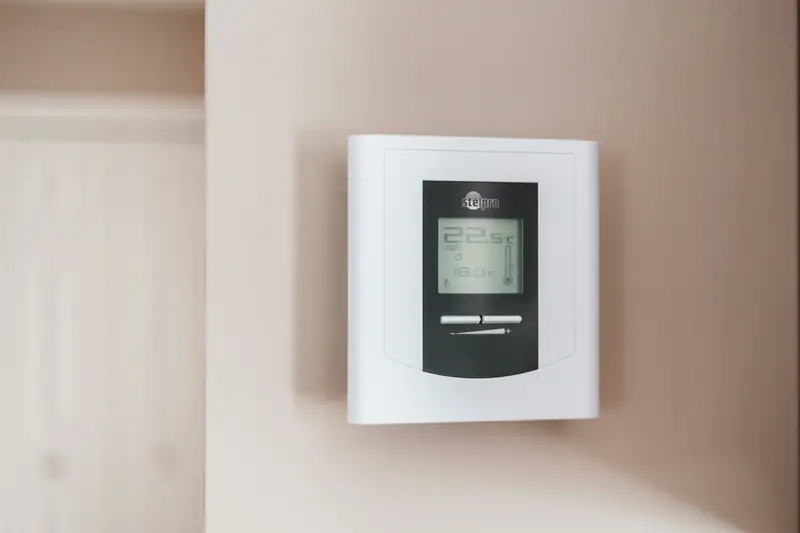
Upgrade Your Heating System: Residential Replacement Services in Missouri City
Upgrading your heating system is a smart investment for homeowners in Missouri City, TX. An outdated or inefficient system can lead to inconsistent temperatures, higher energy bills, and frequent repairs. By installing a new, efficient heating system, you can enjoy a more comfortable home, reduce your energy costs, and minimize maintenance needs. Benefits of Upgrading …
Read Article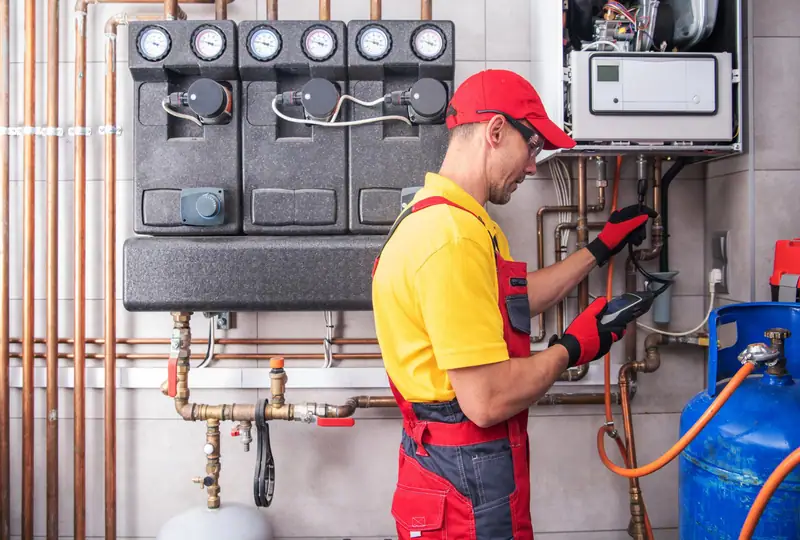
Commercial Heating System Replacement Solutions in Missouri City
Keeping your commercial property in Missouri City comfortable during the colder months is crucial for productivity and customer satisfaction. A reliable heating system ensures that employees can work efficiently, and clients feel at ease. Over time, however, heating systems can wear out, leading to inefficiencies and frequent repairs. There comes a point when replacing the …
Read ArticleReady to Get Started?
Whether you need a repair, maintenance, or a new installation, our expert team is here to help.